%20png%20copy.avif)
The system is simple: pre-show targeting, mixed capture methods, on-floor qualification, and follow-up within 24 to 48 hours. Skip any piece and pipeline suffers.
Three things to do before your next event:
Success isn’t scan count. It’s qualified pipeline that closes.
Trade show lead capture works when pre-show targeting, mixed capture tools, on-floor tiering, and fast follow-up operate as one connected system rather than separate tasks.
| Point | Details |
|---|---|
| Mix your capture tools | Combine badge scanners, QR forms, and tablet kiosks so no single device failure costs you qualification data. |
| Qualify at the point of capture | Use Hot/Warm/Cold tiers with four quick questions so reps assign ownership within 60 seconds. |
| Follow SLA timing | Contact Hot leads within 24 hours and Warm leads within 24 to 48 hours to preserve momentum. |
| Test CRM mapping before the show | Run a sandbox sync test and confirm offline capture modes so no lead gets lost or misrouted. |
| Bring in Bigmoves for execution | Bigmoves builds the target lists, CRM setup, and follow-up sequences that turn this framework into a working event playbook. |
Badge scanners move fast. They’re built for very high-volume events, but they capture almost no context. A name and a title tell your sales team nothing about intent.
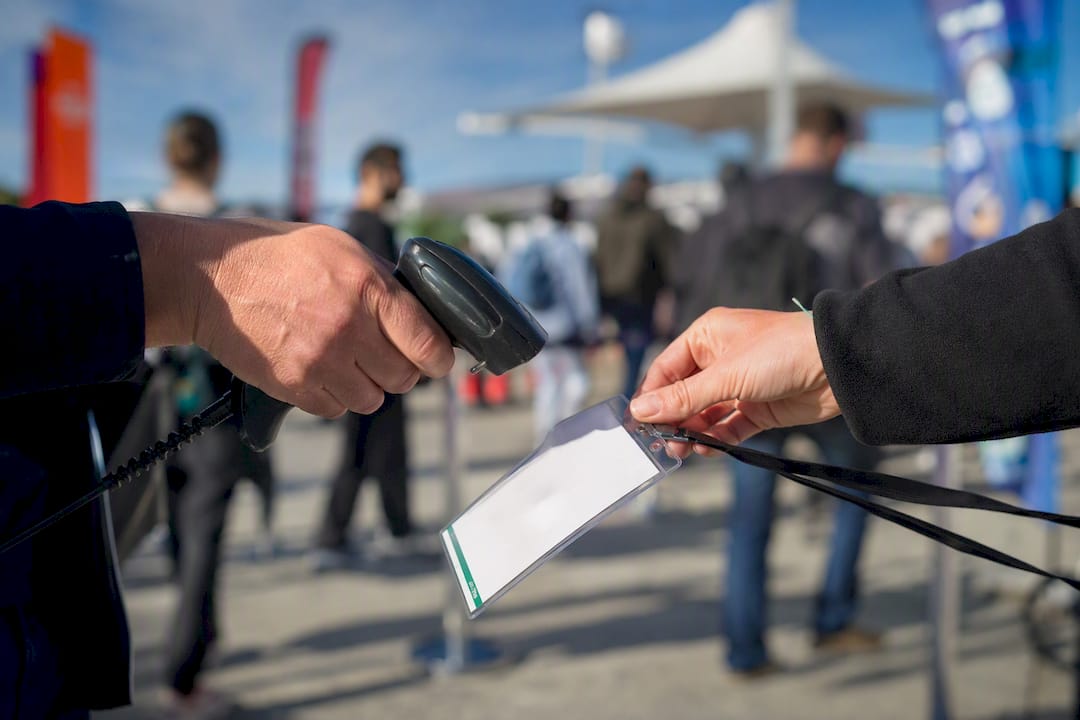
QR code forms fix part of that problem. They’re cheap, they scale, and they push the prospect straight into a landing page you control. Tablet kiosks go further. They’re slower per lead, but they capture real qualification data, which makes them the right tool for booked meetings and higher-value conversations.
Business card scanning with OCR still earns a place. Use it as a fallback for hallway conversations or when badge coverage fails. Voice memos, recorded right after a conversation, capture context no form field ever will.
Pro Tip: Never rely on one device type. A mixed-method approach protects you when one tool fails, and it keeps qualification data intact even during your busiest hour.
The show floor rewards teams that did their homework weeks earlier. Here’s the sequence that works:
Skip step four and you’ll find out on-site, when it’s too late to fix.
A three-tier system beats guesswork. Define it before the show, not during your first conversation.
Four questions get you there fast: What’s driving you to look at this now? Who else is involved in a decision like this? What’s your timeline? What would need to be true for this to move forward this quarter?
Hot leads get handed to a rep for same-day follow-up. Warm leads go into a nurture-plus-outreach track. Cold leads go into general nurture. Whoever captures the lead assigns the tier on the spot and writes the next action in under a minute.
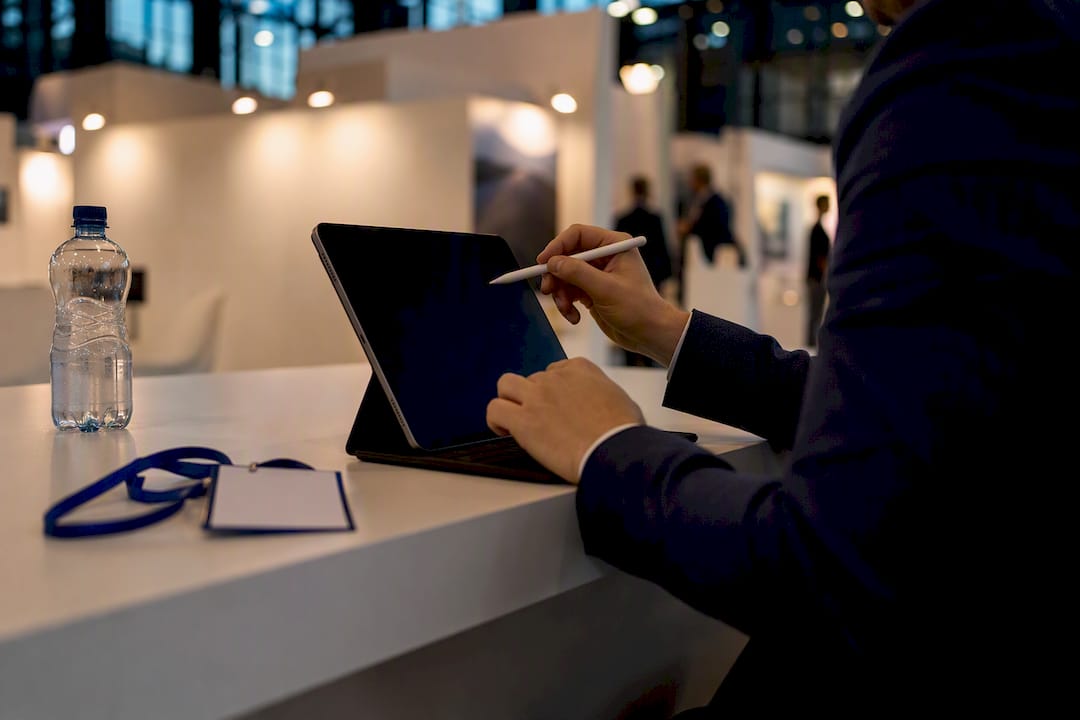
Pro Tip: If a rep can’t state the lead’s tier and next action within 60 seconds of walking away from the conversation, the notes were too thin. Fix that on day one of the show, not after.
Direct sync works when your Wi-Fi holds. CSV exports are your fallback when it doesn’t, so plan for both rather than betting the show on one connection.
A dry run with your full booth team the day before catches the mapping errors that would otherwise surface on the busiest hour of day one.
Speed decides whether a good conversation turns into a meeting. The SLA ladder that works: Hot leads get contacted within 24 hours, ideally within minutes if the rep is still on-site. Warm leads get a response within 24 to 48 hours. Cold leads enter a nurture track within a week.
A short, personalized note referencing one detail from the booth conversation outperforms a generic mass email nearly every time. Your team already has qualification frameworks that make this handoff faster if the tiering was done right on the floor.
Track five numbers: total leads captured, leads by tier, meeting conversion rate, qualified opportunities created, and revenue attributed within 90 days of the show.
The ROI math is simple: divide total event cost by qualified opportunities generated. That single number tells you more than cost-per-lead ever will, because it filters out the badge scans that never turned into a real conversation.
A pragmatic SLA ladder tying response speed to lead tier is the single biggest lever for improving these numbers between one event and the next.
A SaaS exhibitor running a mid-size industry show applied pre-show targeting, on-floor tiering, and a strict follow-up SLA across a three-day event. The result wasn’t more scans. It was a shorter list of higher-quality conversations that turned into scheduled demos within the same week.
The difference wasn’t the technology. It was the discipline of tiering every lead on the spot and treating the 24-hour follow-up window as non-negotiable rather than aspirational.
The tactics that transferred directly: pre-booked A-list meetings, a four-question qualification script, and same-day ownership of every Hot lead. Specific pipeline figures from client engagements are available on request during a planning conversation.
Chasing scan volume is the most common mistake we see, and it’s the wrong metric almost every time. A booth that captures 400 badges and closes nothing looks busy. A booth that captures 80 tiered, qualified conversations and closes six deals looks quiet. The second booth won.
The habit that fixes this: enforce pre-booking before the show and enforce tiering the moment a lead is captured, not after the show ends. No exceptions, no “we’ll sort it out later.”
Before your next event, check three things: Is your A-list booked? Is your CRM mapped and tested? Does every rep know the Hot/Warm/Cold criteria?
— Veb
Reading the framework is one thing. Running it under a show-floor deadline with a full booth team is another. Bigmoves builds the operational pieces most teams skip: scored target lists for pre-show outreach, tested CRM campaigns with the right field mapping, event playbooks your booth staff can actually follow, and follow-up sequences built around the 24 to 48 hour SLA.
A typical engagement starts with a target-list build and CRM setup two to four weeks before the show, then runs through the event with a live qualification script and closes with a follow-up sequence already loaded and ready to fire. That’s the same approach behind the Traleado case study, where a repositioned product turned into a working lead funnel. If you want this built for your next show, check out the go-to-market website and lead generation services and request a planning call.
It’s the process of collecting and qualifying prospect information at an event, using tools like badge scanners, QR forms, and tablet kiosks, then routing that data into a CRM for follow-up.
Hot leads should get contact within 24 hours, Warm leads within 24 to 48 hours, and Cold leads should enter a nurture track within a week.
Hot leads have authority, a clear timeline, and an agreed next step. Warm leads show real interest but lack confirmed timing or authority. Cold leads have general curiosity with no confirmed fit yet.
There’s no single best tool. Badge scanners suit high-volume events, QR forms suit low-cost opt-ins, and tablet kiosks suit booked meetings that need richer qualification data.
Yes. Bigmoves builds pre-show target lists, tests CRM campaign mapping, and writes follow-up sequences so your team can run this system without building it from scratch.

%20-%20white.svg)