%20png%20copy.avif)
B2B MARKETING CONSULTANT
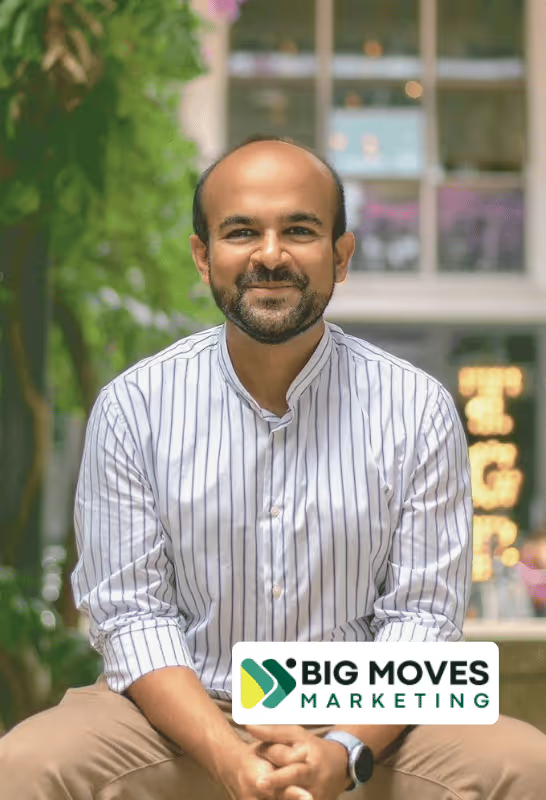
My name is Veb. I bring a rare mix of B2B marketing strategy and execution, with 17 years experience of product marketing, demand generation and sales operations for 75+ B2B startups and enterprises.
I now work independently with B2B companies to build precise, high-performing marketing and sales systems that deliver clear funnel impact, and ultimately revenue.






70+ Happy Founders




















B2B MARKETING GROWTH
For succeeding in B2B markets, I help companies craft a clear and relevant message, build industry-leadership content, and execute on your go-to-market plan with speed and precision



"Working with Veb has been instrumental for IgnitePOST. With his clarity and deep knowledge of B2B marketing he helped us make the right growth choices. He backed those decisions up with data that gave us confidence we were progressing.
Veb also strategized, planned and executed on a website rework giving us a solid base to keep investing in demand generation for IgnitePOST."

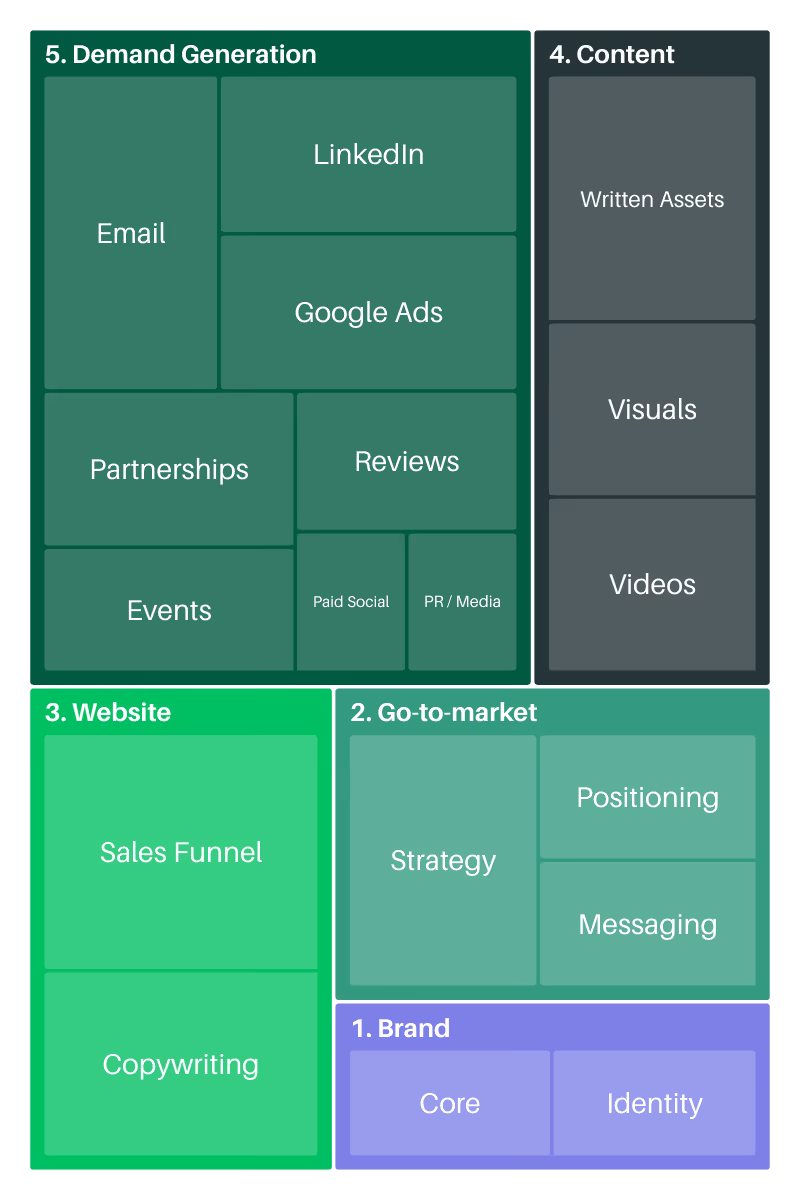
Setup a clear positioning and create messaging to support it

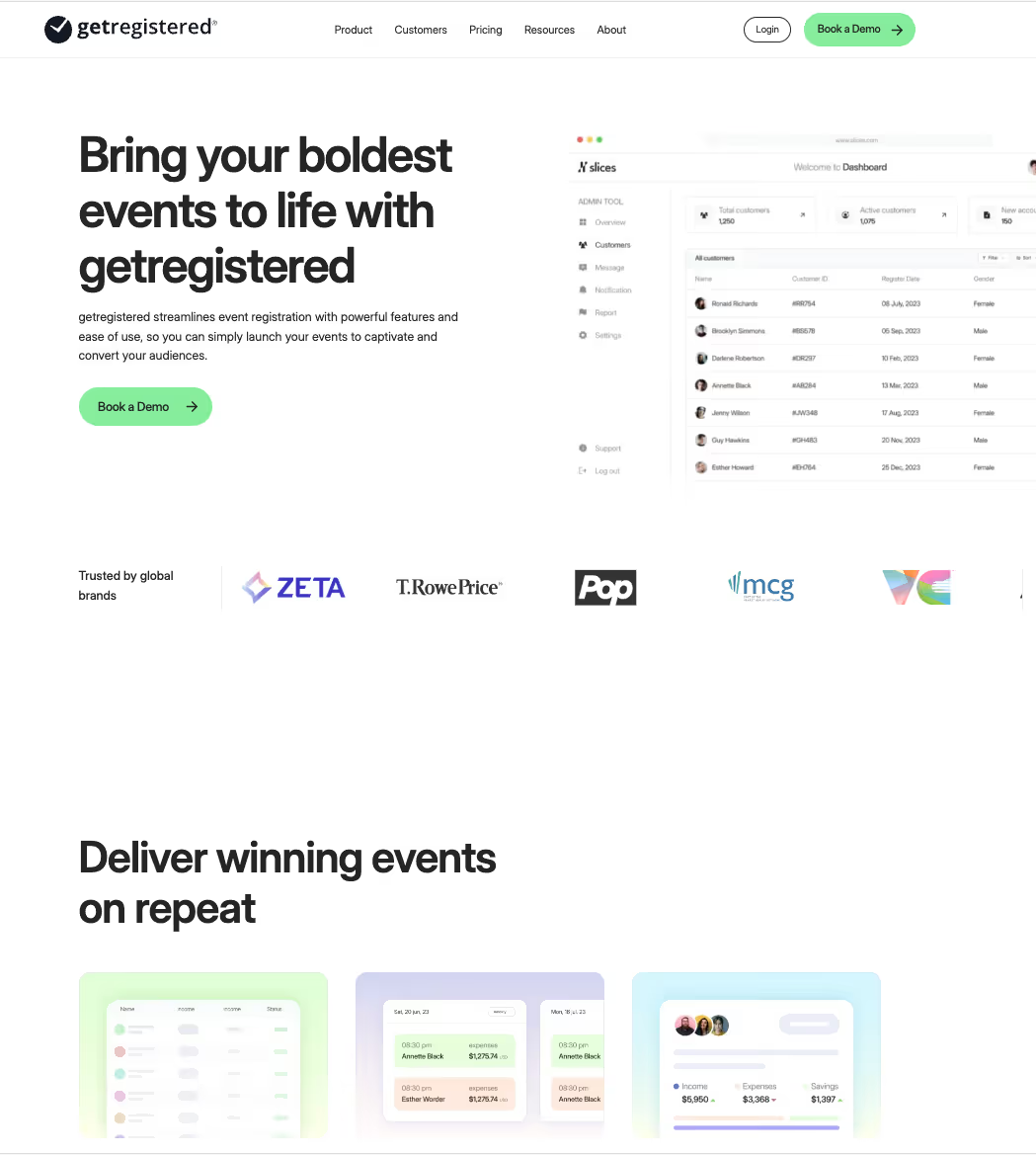
Deploy a website to create the right platform for growth
Run demand generation pilots to generate leads and acquire customers
POSITIONING AND MESSAGING
Next, I identify your buyers' pain points and map your competition to position your product and create convincing messaging.
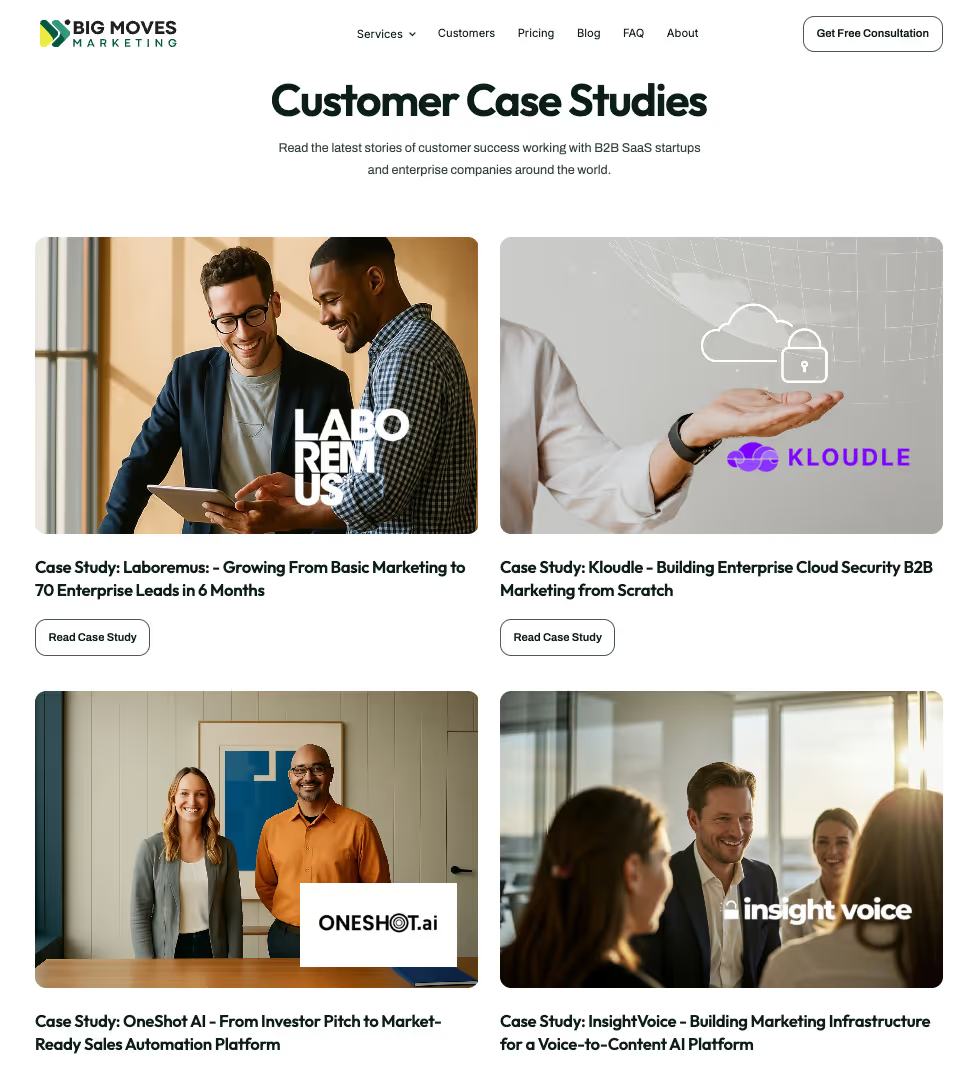
“Veb helped us craft the messaging from scratch.
He really owned the project, took time to understand the market, competitors and space.
We are continuing to work with Veb for strategic marketing.”
Gautam Rishi
Founder and CEO - Oneshot.ai

B2B WEBSITE
Your website is the heart of your B2B business. I use Webflow templates to build and deploy your B2B website in 3 weeks so you can start your growth campaigns with confidence,
"Veb worked with Laboremus to define our B2B SaaS marketing, product messaging and growth roadmap.
He executed on key tactics including messaging, website, content and events. I can strongly recommend working with Vaibhav for your B2B marketing and growth."
Frieda Hamster
Chief Commercial Officer - Laboremus.ug
GO-TO-MARKET EXECUTION
With all the basics in place, I start executing pilots on key B2B channels and even help you hire resources to grow faster!

Content + SEO
Create impactful content and adopt best SEO practices to grow your business organically in the long-term.

Google Ads for B2B
Start running paid Google search ads to quickly find new B2B buyers and attract them to your product

Grow your audience base on LinkedIN to generate highly qualified, often purchase ready buyers

E-mail marketing
Run a mix of nurturing and engagement email campaigns to seamlessly convert more buyers

Events and Webinars
Captivate and convert audiences into buyers with organized, structured and engaging events
“Veb really knows his stuff. He helped us set up the baseline for scalable marketing.
He brought planning, structure, tracking, and great insights.I recommend Veb to anyone who is looking for a skillful senior marketer.”
Saulo Martins
Growth Lead - Sastrix GmbH | Sastrify.com


"Veb was absolutely amazing.
His process for walking a founder through and discovering their brands strengths and weaknesses was truly incredible.
If you are feeling stuck finding your voice and articulating it, hire Veb!"

Matthew Curtis
Founder and CEO - Insightvoice.ai
“Vaibhav helped us make the right choices for our B2B cloud security business at an early-stage of growth.
With Vaibhav's insights and execution on our go-to-market, website and content, we were able to quickly setup the base for launching and scaling our demand generation.”

Akash Mahajan
Founder and CEO - Kloudle.com
“Working with Veb has been instrumental for IgnitePOST.
It's rare to find a marketer like Veb that can understand the bigger picture of what our business was trying to achieve while also effectively executing specific initiatives to reach business goals.”

Arian Radmand
Founder and CEO - IgnitePOST.com
"It was great working with Vaibhav for framing our ideas and to build the brand story for Thrive - our Purpose, Vision, Mission and Core Values.
If you're a founder trying to figure out how to approach your company or market strategy, I can definitely recommend working with Vaibhav."

Karan Chachani
Co-Founder, Thrive | Backed by Jubilant FoodWorks & Coca Cola
“Veb created a vision and execution plan for our VC-backed app - multiple versions of product messaging, keyword strategy, and analytics leading to record-breaking downloads on Shopify app store!
Veb’s care and precision over our strategy means his services are incredibly hard to beat.”

Ashland Stansbury
Founder and CEO - Becauseintelligene.com
“It was a pleasure working with Vaibhav.
He helped us craft the messaging from scratch, really owned the project, took time to understand the market, competitors and space.
We are continuing to work with Vaibhav for strategic marketing.”

Gautam Rishi
Founder and CEO - Oneshot.ai
“Veb really knows his stuff.
He helped us set up the baseline for scalable marketing.He brought planning, structure, tracking, and great insights.
I recommend Veb to anyone who is looking for a skillful senior marketer.”

Saulo Martins
Growth Lead - Sastrix | Sastrify.com
“Vaibhav is the best growth consultant and brings great clarity in SEO & analytics.
We leaned on Vaibhav's expertise for growing our multiple SaaS products.
I highly recommend Vaibhav to kickstart and grow your B2B marketing.”

Kaus Manjita
Founder and CEO - Mason | ModeMagic
“Veb helped us grow our SEO, e-mail and organic visibility.
His holistic approach led us to a record-setting quarter of drone industry report sales.
Vaibhav brings a mix of great skills, great communication, and great results!”

Kay Wackwitz
Founder and CEO - Droneii.com
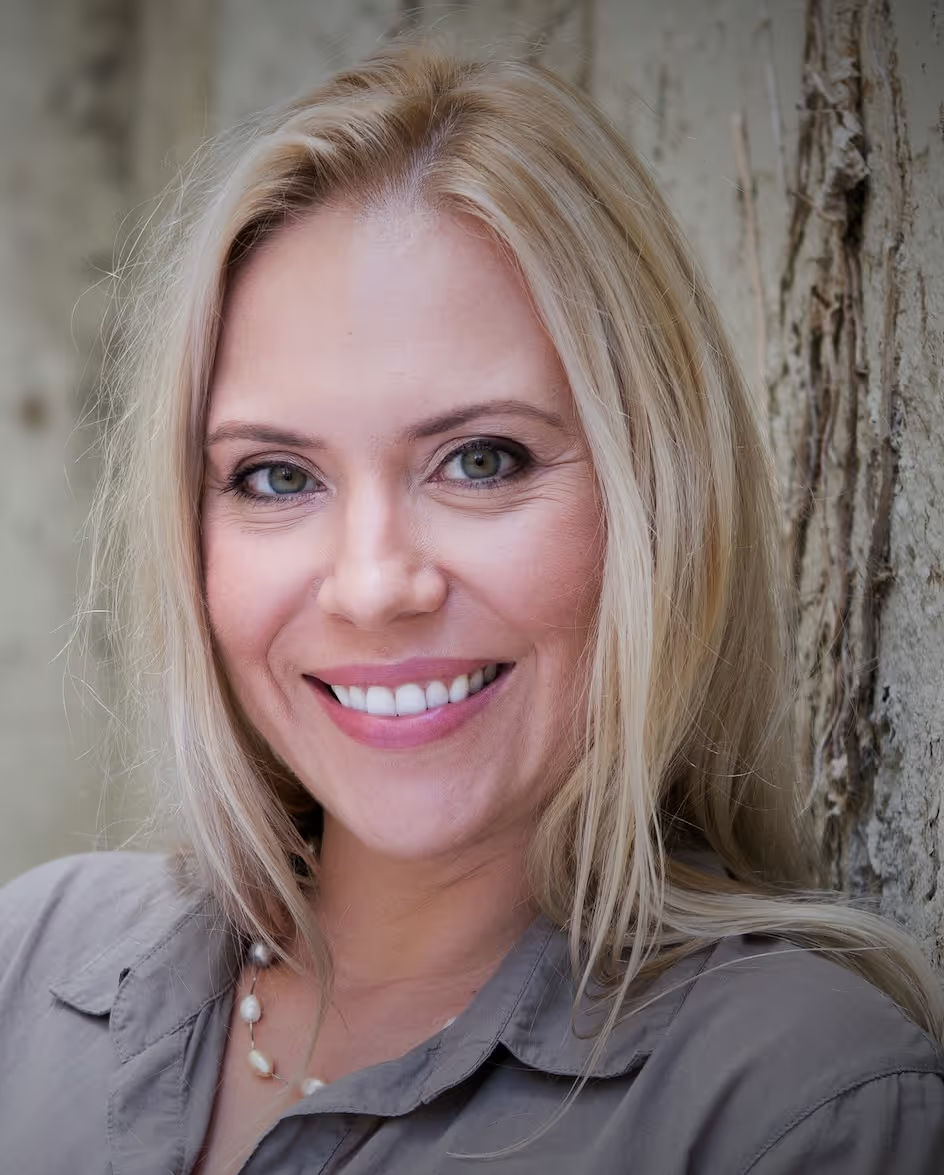
Michelle Killebrew
Marketing Director - IBM Coremetrics
“Vaibhav worked on my demand generation campaigns, but truly he was my “go-to” campaign manager.
I was very glad to know that it was Vaibhav that was managing my campaigns.”

October 14, 2026
Shopify App Marketing

October 4, 2026
Shopify App Marketing
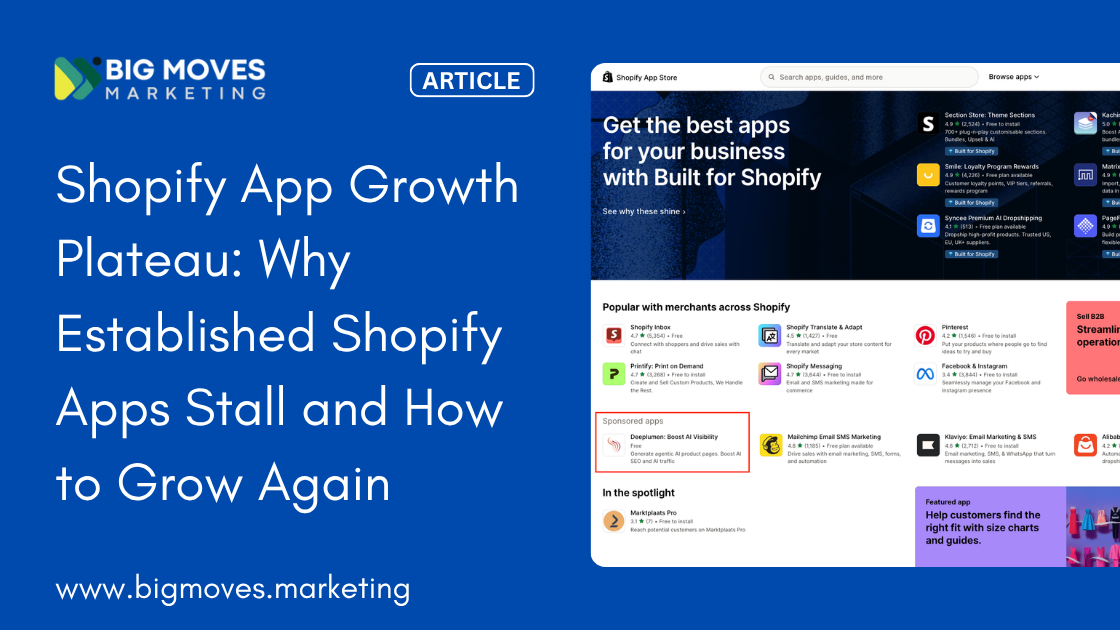
September 14, 2026
Shopify App Marketing
August 13, 2026
B2B Marketing
August 13, 2026
B2B Marketing
August 13, 2026
B2B Marketing
July 1, 2026
Fractional CMO

June 26, 2026
Fractional CMO
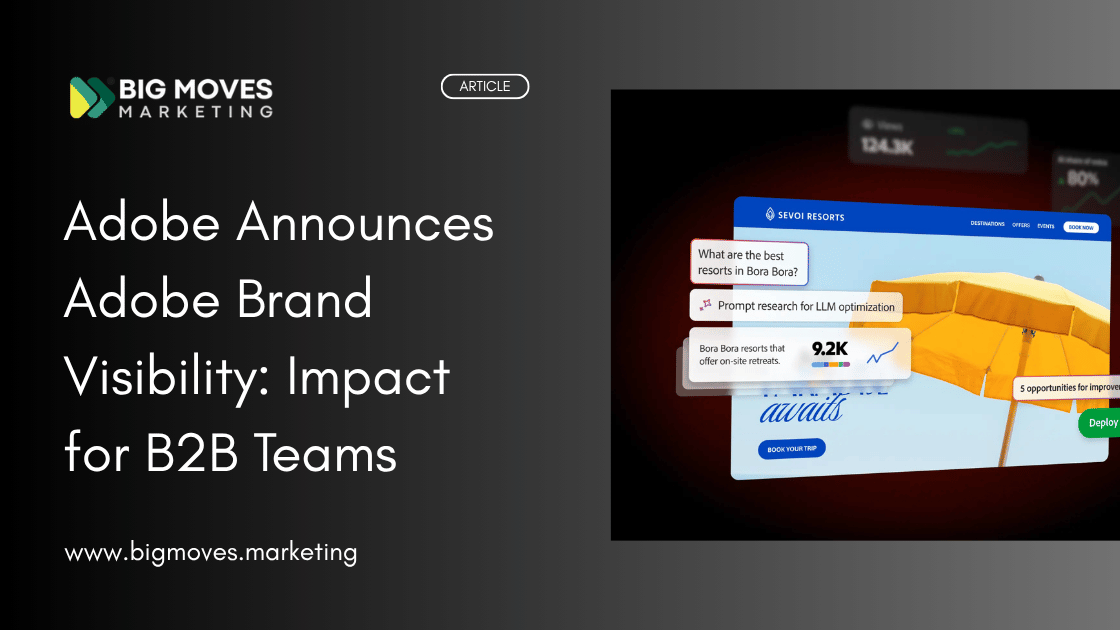
June 18, 2026
B2B Marketing, AI
June 11, 2026
B2B Marketing, AI
May 8, 2026
B2B Marketing, AI
May 1, 2026
B2B Marketing
This FAQ brings together the most searched, most debated questions from founders, CMOs, and sales leaders — answered from experience, not theory.
Whether you’re refining your go-to-market motion, scaling from PLG to enterprise, or building a lean, AI-enabled marketing engine — you’ll find clear, battle-tested answers here.


Ready to explore how I can help your B2B growth?
Setup a free consultation to start.










%20-%20white.svg)