Beyond the Shopify App Store: A Comprehensive Guide to Diversifying Your App Install Channels
A Guide for Shopify App Owners and Developers
Table of Contents
- Introduction
- Why Diversification Matters
- The Current State of the Shopify App Ecosystem
- Setting Realistic Expectations
- Maximizing Your Shopify App Store Presence
- Optimizing Your App Store Listing
- Strategic Use of Paid App Store Placements
- Building and Leveraging Reviews
- Partnership Strategies
- Types of Partnerships That Drive Installs
- Finding and Approaching Potential Partners
- Structuring Successful Partnership Agreements
- Case Study: Successful App Partnership
- Community Engagement
- Key Shopify and E-commerce Communities
- Effective Community Participation Strategies
- Building Authority Without Being Promotional
- Creating Your Own Community
- Leveraging Influencer Marketing
- Identifying Relevant E-commerce Influencers
- Engagement Strategies and Compensation Models
- Measuring Influencer Campaign Success
- Paid Advertising Beyond the App Store
- Meta Ads Strategy for App Installs
- Google Ads Approaches
- Retargeting Techniques
- Budget Allocation Best Practices
- Webinars and Educational Content
- Planning Effective Webinars
- Promotion Strategies
- Converting Attendees to App Users
- Repurposing Webinar Content
- Content Marketing for App Growth
- Blog Strategy
- SEO Considerations
- Content Distribution Channels
- Email Marketing
- Building Your List
- Segmentation and Personalization
- Campaign Structures That Convert
- Additional Channels to Consider
- Reddit and Quora
- Discord Strategies
- LinkedIn and Twitter
- Industry Events and Trade Shows
- Measuring and Analyzing Multi-Channel Performance
- Key Metrics to Track
- Attribution Challenges
- Tools and Solutions
- Creating an Integrated Channel Strategy
- Budget Allocation
- Timeline and Resources
- Adapting to Changes
- Building a Growth Flywheel
- Conclusion and Next Steps
Introduction
Why Diversification Matters
While the Shopify App Store remains the primary and most effective channel for acquiring new app installations, the landscape for Shopify app distribution is evolving. Relying exclusively on a single channel – even one as powerful as the Shopify App Store – creates vulnerability in your business model.
Diversification provides several critical advantages:
- Risk mitigation: Algorithm changes, policy updates, or increased competition within the App Store can dramatically impact your visibility and install rates overnight.
- Audience expansion: Different merchant segments may discover solutions through varied channels; diversification helps you reach merchants who may not actively browse the App Store.
- Competitive differentiation: As more apps crowd the marketplace, establishing presence across multiple touchpoints creates additional opportunities to showcase your unique value proposition.
- Lifetime value optimization: Merchants acquired through certain channels often demonstrate different retention and monetization characteristics.
- Brand building: A multi-channel presence builds broader brand recognition and perceived market leadership.
The Current State of the Shopify App Ecosystem
The Shopify ecosystem continues its robust expansion, with over 8,000 apps now available in the App Store. This growth reflects Shopify's own impressive merchant adoption, but also intensifies competition for visibility and installations.
Key trends shaping the current ecosystem include:
- Increasing sophistication of merchant expectations and technical requirements
- Growing emphasis on app quality metrics and social proof
- Rising customer acquisition costs within the App Store's promoted placements
- Consolidation as larger players acquire successful apps
- Greater scrutiny of app functionality and security during the approval process
For app owners, this environment demands strategic thinking not just about product development, but about distribution and marketing channels that complement your App Store presence.
Setting Realistic Expectations
Before diving into channel diversification strategies, it's important to set appropriate expectations:
- No single channel will directly replace the App Store: The App Store's contextual relevance and integration within the Shopify admin creates unique conversion advantages difficult to replicate elsewhere.
- Channel development takes time: Unlike paid App Store placements which can drive immediate results, many alternative channels require relationship-building and consistent effort before yielding significant returns.
- Quality trumps quantity: Focus on executing well across a few complementary channels rather than spreading resources too thinly.
- Measurement is essential: Each channel should be evaluated based on not just installation volume, but installation quality (conversion to paid plans, retention rates, support requirements).
With these considerations in mind, let's explore how to maximize your existing App Store presence before expanding into additional channels.
Maximizing Your Shopify App Store Presence
Before exploring alternative channels, ensure you've optimized your primary traffic source. Even as you diversify, the App Store will likely remain your most important acquisition channel.
Optimizing Your App Store Listing
Your App Store listing functions as your product's storefront. Key optimization areas include:
App Title and Subtitle
- Include primary keyword(s) in your title
- Use your subtitle to highlight your core value proposition
- Avoid keyword stuffing that dilutes your positioning
Visual Assets
- Create a distinctive, professional app icon that stands out in search results
- Design screenshots that quickly communicate core functionality
- Consider animated GIFs to showcase interactive features
- Develop a video that demonstrates the complete user experience
Description and Features
- Front-load key benefits in your opening paragraph
- Structure content with clear headings for scanability
- Use bullet points for key features
- Address common objections and questions
- Include social proof points where relevant
Pricing Structure
- Evaluate free trial vs. freemium approaches based on your app complexity
- Consider whether pricing tiers align with perceived value
- Test price points against conversion rates
Reviews and Ratings Management
- Implement in-app mechanisms to encourage satisfied users to leave reviews
- Respond promptly and constructively to all negative reviews
- Analyze reviews for product improvement opportunities
Strategic Use of Paid App Store Placements
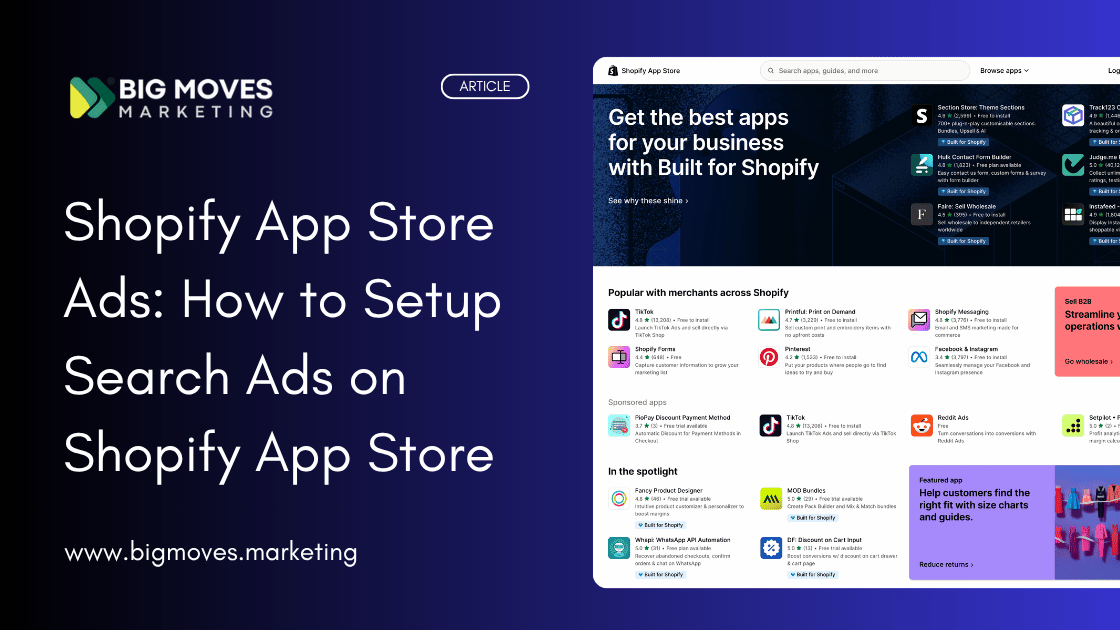
Shopify offers several options for promoting your app within the App Store:
Search Result Ads
- Target specific keywords relevant to your functionality
- Monitor click-through rates to optimize ad copy
- Track conversion rates from clicks to installations
- Adjust bids based on keyword performance and competitive dynamics
Collections Placement
- Identify which collections align with your app's functionality
- Test different collections to measure conversion quality differences
- Consider seasonal adjustments to collection targeting
Budget Allocation
- Establish clear cost-per-acquisition targets
- Balance spending between high-volume general terms and specific long-tail keywords
- Implement dayparting if you observe performance variations
Building and Leveraging Reviews
Reviews significantly impact both search rankings and conversion rates:
Proactive Review Generation
- Implement strategically timed in-app prompts for reviews
- Consider personal outreach to highly engaged users
- Offer exceptional support with gentle review requests afterward
Leveraging Positive Reviews
- Feature standout reviews in your screenshots or promotional materials
- Analyze positive reviews for messaging that resonates with users
- Use review themes to inform feature priorities
Addressing Negative Reviews
- Respond promptly with specific solutions
- Follow up once issues are resolved
- Use feedback to identify and fix common friction points
With your App Store presence optimized, you're ready to explore complementary channels that can diversify your installation sources.
Partnership Strategies
Partnerships represent one of the most effective ways to acquire highly qualified app users outside the App Store, often delivering better conversion rates than purely marketing-driven approaches.
Types of Partnerships That Drive Installs
App-to-App Partnerships
- Cross-promotional arrangements with complementary apps
- Integration partnerships that enhance both products' functionality
- Bundle offers providing discounts when merchants install multiple related apps
Agency Partnerships
- Shopify Expert agencies often influence app selection for their clients
- Agency affiliate programs can incentivize recommendations
- Co-marketing opportunities with agencies serving your target merchant segments
Technology Partnerships
- Integrations with popular platforms beyond Shopify (CRMs, ERPs, marketing tools)
- Co-selling arrangements with technology providers
- API access programs that encourage ecosystem development
Channel Partnerships
- Relationships with Shopify Plus Partners who manage enterprise clients
- Collaborations with consultants specialized in your app's category
- Referral programs for service providers who implement your app
Finding and Approaching Potential Partners
Identifying Prospects
- Research apps frequently installed alongside yours
- Analyze which agencies serve your target merchant segments
- Explore technology platforms your users commonly utilize
- Monitor partner directories and ecosystems
Effective Outreach
- Personalize your approach based on specific mutual benefits
- Focus initial conversations on value alignment rather than mechanics
- Prepare concrete examples of how current shared customers benefit
- Bring data demonstrating potential value to their business
Qualifying Potential Partners
- Assess audience overlap and complementary value
- Evaluate their reputation and merchant relationships
- Consider their promotional capabilities and reach
- Determine technical compatibility if integration is involved
Structuring Successful Partnership Agreements
Partnership Models
- Revenue sharing on referred installations
- Flat referral fees per qualified installation
- Co-marketing with shared promotion costs
- Technical integration with mutual promotional commitments
- White-labeling or OEM arrangements
Documentation and Expectations
- Clearly define what constitutes a qualified referral
- Establish reporting and attribution mechanisms
- Set marketing activity expectations from both parties
- Determine support responsibilities for shared customers
- Include review periods and success metrics
Supporting Partnership Success
- Create partner-specific landing pages and tracking links
- Develop sales enablement materials for partner teams
- Provide technical documentation for implementation teams
- Schedule regular check-ins to address challenges
- Share success stories to maintain engagement
Case Study: Successful App Partnership
Note: This is a composite example based on common successful partnership patterns
Partnership Background:An inventory management app partnered with a shipping and fulfillment app to create a seamless integration. Both apps served similar merchant segments but addressed different aspects of operations.
The Approach:
- Technical teams collaborated on a deep integration connecting inventory updates with shipping workflows
- Marketing teams developed co-branded educational content about optimizing operations
- Both apps offered a 30-day extended trial when installed together
- Customer success teams received training on the integration benefits
Results:
- 22% increase in installations for both apps
- Higher conversion rates from free trial to paid plans compared to App Store traffic
- Reduced support tickets as merchants received coordinated onboarding
- Improved retention rates for merchants using both applications
Key Success Factors:
- The integration delivered genuine merchant value beyond the marketing relationship
- Both partners committed marketing resources rather than just expecting benefit
- Regular data sharing helped optimize the partnership
- Success metrics included quality measures beyond raw install numbers
When executed thoughtfully, partnerships can provide a steady stream of high-quality installations while building your reputation within the broader ecosystem.
Community Engagement
E-commerce and Shopify-specific communities represent valuable channels for app discovery, provided your approach emphasizes value contribution rather than promotion.
Key Shopify and E-commerce Communities
Official Shopify Communities
- Shopify Community Forums
- Shopify Partners Discord
- Shopify Learn courses and community
- Shopify Slack channels for Plus merchants
Third-Party Communities
- Facebook groups (Shopify Entrepreneurs, Shopify Partners, niche e-commerce groups)
- Reddit communities (r/shopify, r/ecommerce)
- Industry-specific merchant groups
- E-commerce Twitter circles and chats
- eCom Discord servers
Regional Communities
- Merchant meetup groups
- Local e-commerce associations
- Geographic Shopify user groups
Effective Community Participation Strategies
Value-First Engagement
- Answer questions thoroughly without immediately promoting your app
- Share genuinely helpful resources beyond your own content
- Provide troubleshooting assistance related to your area of expertise
- Contribute insights from your broader industry knowledge
Establishing Authority
- Share data or research that helps the community understand trends
- Create educational posts addressing common merchant challenges
- Participate in technical discussions that showcase your knowledge
- Offer constructive feedback on merchant storefronts or strategies when requested
Appropriate App Mentions
- Recommend your solution only when directly relevant to a specific question
- Disclose your affiliation transparently
- Include alternatives when your app isn't the only potential solution
- Provide specific examples of how your app addresses the particular issue
Relationship Building
- Focus on consistent participation rather than drive-by promotion
- Acknowledge and support other contributors
- Recognize and leverage subject matter experts in complementary areas
- Connect with active community members on professional networks
Building Authority Without Being Promotional
Content Contribution
- Develop comprehensive "how-to" guides addressing common pain points
- Create templates or frameworks merchants can implement themselves
- Share anonymized case studies showing problem-solving approaches
- Produce original research or data analysis valuable to the community
Thought Leadership
- Initiate discussions about emerging trends or challenges
- Offer nuanced perspectives on platform changes or industry news
- Facilitate connections between community members
- Volunteer expertise for community initiatives or events
Engagement Tactics
- Ask thoughtful questions that stimulate valuable discussion
- Highlight and elevate useful contributions from others
- Follow up on previous discussions with additional resources
- Connect discussion points to broader merchant success principles
Creating Your Own Community
While participating in existing communities is valuable, creating your own community space offers additional benefits:
Community Development Approach
- Start with a focused value proposition addressing an underserved need
- Create clear community guidelines emphasizing constructive interaction
- Develop consistent content themes and discussion prompts
- Recruit initial members from your existing user base and network
Platform Considerations
- Facebook Groups: High merchant adoption but limited organizational features
- Discord: Better organization and integration capabilities
- Circle: Purpose-built community platform with robust features
- Slack: Familiar interface with strong notification systems
Cultivation Strategies
- Schedule regular live sessions with valuable content
- Facilitate member introductions and connections
- Recognize and elevate community contributors
- Create exclusive resources for community members
Conversion Approaches
- Focus on community value first, with product mentions secondary
- Offer community-exclusive trials or discounts
- Create specific onboarding paths for community members
- Develop features based on community feedback and needs
Effective community participation generates high-quality app installations because it establishes trust before the purchasing decision and attracts merchants actively seeking solutions.
Leveraging Influencer Marketing
The rise of e-commerce-focused content creators offers Shopify app developers another avenue for reaching potential users. Influencer partnerships can be particularly effective for visualizing your app's impact and reaching merchants who may not actively search the App Store.
Identifying Relevant E-commerce Influencers
Influencer Categories
- Shopify-focused educators and consultants
- General e-commerce strategy coaches
- Niche industry specialists relevant to your target merchants
- Technical reviewers focusing on e-commerce tools
- Merchant success stories with significant followings
Platform Considerations
- YouTube: Ideal for detailed product demonstrations and tutorials
- Instagram: Effective for visual before/after results and quick tips
- TikTok: Growing platform for concise, engaging e-commerce advice
- LinkedIn: Professional audience with business decision-making focus
- Podcasts: In-depth discussions reaching engaged merchant audiences
Research Methods
- Search platform-specific hashtags (#shopify, #ecommerce, #shopifyapps)
- Monitor who your target merchants follow and engage with
- Look for speakers at relevant industry events
- Use influencer discovery tools like BuzzSumo or HypeAuditor
- Analyze competitors' influencer partnerships
Evaluation Criteria
- Audience relevance over raw follower numbers
- Engagement quality in comments and discussions
- Content consistency and production quality
- Previous experience with software or app promotions
- Authentic connection to e-commerce challenges
Engagement Strategies and Compensation Models
Collaboration Approaches
- Sponsored content featuring your app's functionality
- Honest review videos with demonstration of key features
- Case studies showcasing measurable merchant results
- Tutorial content teaching specific processes using your app
- Live streams with Q&A about solving specific pain points
Compensation Structures
- Flat fee sponsorships based on audience size and engagement
- Performance-based arrangements with payment per install
- Hybrid models with base payment plus performance incentives
- Revenue sharing for ongoing customer value
- Product trade for smaller influencers (free premium access)
Relationship Development
- Begin with authentic engagement with their existing content
- Provide value before requesting collaboration
- Offer exclusive or early access to new features
- Create influencer-specific resources to ensure accurate representation
- Establish clear expectations through formal agreements
Measuring Influencer Campaign Success
Key Performance Indicators
- Direct installs from trackable links
- Brand search volume increases during and after campaigns
- Engagement metrics on sponsored content
- New user onboarding survey attribution
- Audience sentiment and comment quality
Tracking Mechanisms
- Custom UTM parameters for each influencer
- Unique promotional codes or landing pages
- Pre/post campaign brand search monitoring
- Attribution surveys during app onboarding
- Social listening for brand mention increases
Optimization Strategies
- Test different content formats across similar audiences
- Compare conversion rates between influencer types
- Analyze which feature highlights drive strongest response
- Evaluate long-term retention of influencer-acquired users
- Refine briefs based on highest performing past content
Long-term Relationship Building
- Develop ambassador programs for consistent advocates
- Create exclusive previews of upcoming features
- Facilitate connections with your user community
- Gather product feedback from influencers and their audiences
- Showcase successful influencer partnerships to attract new collaborators
Influencer marketing requires careful selection and management but can reach merchants who might otherwise never discover your app, especially those in the research phase of solving a problem your app addresses.
Paid Advertising Beyond the App Store
While the Shopify App Store promotion system offers highly contextual advertising, expanding to external paid channels can help you reach merchants earlier in their solution discovery process.
Meta Ads Strategy for App Installs
Platform Selection
- Facebook: Access to broad e-commerce groups and communities
- Instagram: Visual showcase of app benefits and results
- Facebook Audience Network: Extended reach to relevant sites
Targeting Approaches
- Custom audiences based on your website visitors or email list
- Lookalike audiences derived from current customers
- Interest-based targeting focusing on e-commerce and Shopify
- Behavioral targeting reaching online store owners
- Retargeting campaigns for previous site visitors
Creative Best Practices
- Lead with specific problem-solution scenarios
- Showcase before/after results when possible
- Use authentic merchant testimonials as social proof
- Create short demonstration videos highlighting key features
- Design mobile-first creative assets
Optimization Techniques
- Implement Meta pixel for conversion tracking
- Create dedicated landing pages for ad traffic
- Test various creative approaches with small budgets before scaling
- Optimize for "lowest cost per app install" objective
- Monitor and exclude placements with poor conversion rates
Google Ads Approaches
Campaign Types
- Search campaigns targeting solution-seeking keywords
- Display campaigns on relevant e-commerce websites
- YouTube ads reaching merchants researching solutions
- Discovery campaigns appearing in Gmail and YouTube feeds
Keyword Strategy
- Target problem-based keywords (e.g., "how to reduce Shopify abandoned carts")
- Bid on competitor app names (where permitted by policies)
- Focus on specific merchant pain points related to your solution
- Include Shopify-specific modifiers in keyword phrases
Ad Copy Considerations
- Emphasize specific metrics or outcomes
- Include "Shopify App" explicitly in headlines
- Add extensions with key features or benefits
- Test different calls to action (Free Trial vs. Learn More)
Landing Page Optimization
- Create contextual continuity from ad to landing page
- Highlight merchant success stories relevant to ad messaging
- Optimize page load speed for better quality scores
- Implement clear next steps and conversion paths
Retargeting Techniques
Segmentation Strategy
- Website visitors who viewed specific solution pages
- Blog readers interested in relevant topics
- Abandoned app signup flows
- Free trial users who haven't converted to paid
- Previous customers who uninstalled
Message Customization
- Address specific objections based on exit points
- Highlight new features for previous users
- Showcase testimonials relevant to visitor interests
- Offer support for implementation challenges
- Provide educational content to advance decision process
Channel Coordination
- Sequence messaging across multiple platforms
- Adjust frequency caps to prevent fatigue
- Integrate email and ad retargeting for reinforcement
- Use different formats for different stages (static, video, carousel)
Conversion Rate Optimization
- Test different incentives (extended trials, onboarding support)
- Experiment with urgency elements when appropriate
- Simplify conversion paths with direct install links
- Add social proof elements specific to merchant segments
Budget Allocation Best Practices
Testing Approach
- Allocate 10-20% of budget to experimental channels
- Establish minimum test periods before evaluation (typically 30 days)
- Set clear success metrics before launching campaigns
- Create proper tracking for accurate attribution
Optimization Process
- Focus initial optimization on click-through rates
- Progress to cost-per-install optimization
- Advance to cost-per-acquisition (paid conversion) focus
- Ultimately optimize for customer lifetime value
Budget Distribution
- Prioritize highest performing channels for scaling
- Maintain diversification to mitigate platform changes
- Adjust budget allocation monthly based on performance
- Consider seasonal factors affecting merchant acquisition
ROI Calculation
- Factor customer lifetime value into allowable acquisition cost
- Account for organic installs influenced by paid channels
- Consider support and onboarding costs by channel
- Evaluate retention rates by acquisition source
Paid advertising can scale more quickly than organic channels but requires careful tracking and optimization to achieve profitable customer acquisition costs.
Webinars and Educational Content
Educational webinars provide a powerful channel for demonstrating your app's value while establishing thought leadership in your solution category.
Planning Effective Webinars
Webinar Types That Convert
- Problem-solution focused presentations
- Industry trend analysis with practical takeaways
- Case study deep-dives with real merchant results
- Platform updates and adaptation strategies
- Collaborative sessions with partners or influencers
Structure for Maximum Impact
- Begin with relatable pain points and challenges
- Present framework or methodology before specific solutions
- Demonstrate practical implementation with real examples
- Include merchant success stories and results
- Showcase app functionality within broader strategic context
- End with clear next steps and special offers
Production Considerations
- Invest in decent audio quality above all other technical elements
- Prepare professional slide designs that enhance presentation
- Script key sections while maintaining conversational tone
- Practice demonstrations thoroughly to avoid technical issues
- Plan for 45-60 minute sessions with adequate Q&A time
Engagement Techniques
- Incorporate polls to increase audience involvement
- Plan specific interaction points throughout presentation
- Prepare for common questions with thoughtful responses
- Use stories and examples to maintain attention
- Include actionable takeaways even without the app
Promotion Strategies
Timeline and Channels
- Announce 2-3 weeks in advance across all platforms
- Send segmented email invitations to your database
- Create event-specific social media content
- Consider co-promotion with partners or guests
- Use paid promotion to reach new audiences
Registration Optimization
- Create compelling webinar titles focusing on outcomes
- Keep registration forms simple (name, email, store URL)
- Set clear expectations for content and duration
- Send confirmation with calendar integration
- Implement reminder sequence (7 days, 1 day, 1 hour)
Extending Reach
- Invite partners to share with their audiences
- Offer affiliate opportunities for promotion
- Consider platform-specific event listings
- Leverage industry newsletters or bulletins
- Create early-access incentives for registration
Converting Attendees to App Users
During the Webinar
- Demonstrate specific use cases aligned with audience needs
- Address common implementation concerns proactively
- Show actual results and metrics when possible
- Offer webinar-exclusive extended trial or discount
- Create specific call-to-action with trackable link
Follow-up Sequence
- Send recording within 24 hours with installation link
- Segment follow-ups based on attendance and engagement
- Provide additional resources related to webinar topic
- Create automated email sequence addressing common objections
- Offer personal onboarding assistance for qualified prospects
Conversion Acceleration
- Create webinar-specific onboarding experience
- Offer implementation support packages
- Provide templates or presets referenced during presentation
- Establish early success metrics tailored to webinar content
- Build community connection among attendees
Repurposing Webinar Content
Content Transformation
- Edit recording into shorter topic-specific segments
- Create blog posts expanding on key webinar points
- Extract quotes and insights for social media content
- Develop case studies featured during presentation
- Transform Q&A into knowledge base articles
Distribution Strategy
- Host segmented content on your website with appropriate CTAs
- Share clips and highlights across social platforms
- Include relevant segments in nurture email sequences
- Add valuable segments to your YouTube channel
- Incorporate insights into sales and onboarding materials
Ongoing Value Creation
- Create webinar series building on related themes
- Develop resource libraries from webinar content
- Establish thought leadership through consistent delivery
- Build anticipation for upcoming educational events
- Track which topics drive highest engagement and conversion
Webinars require significant preparation but generate highly qualified leads who understand your app's value proposition before installation, leading to better activation and retention metrics.
Content Marketing for App Growth
Strategic content marketing creates multiple touchpoints with potential users throughout their journey while establishing your expertise in solving specific merchant challenges.
Blog Strategy
Content Pillars
- Educational articles about broader problems your app solves
- Strategy guides incorporating your solution as one element
- Merchant success stories showcasing measurable results
- Platform updates and adaptations relevant to your category
- Industry trends and analysis with actionable takeaways
Audience-Focused Approach
- Create content for different merchant segments (beginners vs. advanced)
- Address various roles involved in purchasing decisions
- Develop content for different stages of the buyer journey
- Balance technical depth with practical application
- Incorporate varied learning styles (guides, checklists, videos)
Publication Schedule
- Maintain consistent publishing frequency (quality over quantity)
- Align content calendar with seasonal merchant priorities
- Coordinate with product updates and feature releases
- Balance evergreen foundation content with timely topics
- Plan content series that build upon each other
Conversion Elements
- Include contextual calls-to-action related to specific content
- Create content upgrades requiring email submission
- Embed relevant app demonstrations within articles
- Feature specific installation benefits related to article topic
- Implement exit-intent offers for engaged readers
SEO Considerations
Keyword Research
- Focus on problem-based search terms over branded terms
- Target question phrases merchants ask about your solution area
- Identify high-intent keywords indicating purchase readiness
- Research competitor content gaps and ranking opportunities
- Discover related topics expanding your relevant keyword universe
On-Page Optimization
- Create comprehensive, authoritative content on focus topics
- Structure content with clear headings and logical flow
- Incorporate relevant keywords naturally throughout content
- Optimize meta titles and descriptions for click-through rates
- Include schema markup for enhanced search results
Technical Foundation
- Ensure mobile responsiveness for all content
- Optimize image sizes and implement lazy loading
- Improve page load speeds for better user experience
- Create logical site architecture with topic clusters
- Implement internal linking strategy connecting related content
Authority Building
- Secure guest posting opportunities on industry publications
- Create linkable assets like original research or tools
- Establish authorship by key team members
- Participate in industry conversations with valuable insights
- Build relationships with relevant content creators
Content Distribution Channels
Owned Channels
- Email newsletter featuring latest content
- Social media profiles with platform-appropriate formats
- YouTube channel for video content
- Community spaces you manage or moderate
- Mobile and web push notifications
Earned Distribution
- Industry newsletters and roundups
- Podcast interview opportunities
- Shares from industry influencers
- Features in partner communications
- Republishing on platforms like Medium or LinkedIn
Paid Amplification
- Boost high-performing organic content
- Target specific audience segments with relevant pieces
- Promote cornerstone content with evergreen value
- Test different content formats for paid performance
- Retarget content consumers with next-step offers
Community Distribution
- Share relevant content in online communities (with permission)
- Answer questions with links to detailed resources
- Participate in industry discussions with valuable insights
- Create exclusive content for community platforms
- Collaborate with community leaders on co-created content
Content marketing builds a sustainable acquisition channel that becomes more valuable over time as you accumulate authoritative content and search visibility in your solution category.
Email Marketing
Email remains one of the most direct and controllable channels for nurturing potential app users through their decision journey.
Building Your List
Ethical Acquisition Methods
- Content upgrades offering additional value (templates, checklists)
- Webinar registrations with clear subscription options
- Free tools requiring email access
- Newsletter subscriptions with specific value propositions
- Consultation or demo requests
Lead Magnet Development
- Create solution-specific resources addressing immediate needs
- Develop tools or calculators providing instant value
- Offer exclusive research or data not available elsewhere
- Provide templates accelerating implementation
- Design assessment frameworks for self-diagnosis
Progressive Profiling
- Start with minimal information requirements
- Gather additional data through engagement
- Use behavioral signals to infer interests
- Implement preference centers for self-segmentation
- Leverage surveys for specific insights
List Hygiene Practices
- Implement double opt-in for quality assurance
- Regularly clean inactive subscribers
- Monitor engagement metrics for list health
- Follow regulatory requirements (GDPR, CCPA)
- Prioritize deliverability through proper authentication
Segmentation and Personalization
Segmentation Dimensions
- Merchant characteristics (size, industry, platform plan)
- Behavioral signals (content consumed, features explored)
- Engagement level (active, lapsed, highly engaged)
- Purchase journey stage (awareness, consideration, decision)
- Previous relationship (current customer, former user, prospect)
Personalization Elements
- Dynamic content based on known interests
- Personalized examples relevant to business type
- Custom recommendations based on behavior
- Tailored subject lines increasing open rates
- Individualized sending times optimizing engagement
Automated Segmentation
- Implement behavior-based tagging
- Create engagement scoring models
- Establish segment transition triggers
- Develop interest categorization frameworks
- Build dynamic segment membership rules
Campaign Structures That Convert
Welcome Sequences
- Set clear expectations for communication
- Introduce key resources and content
- Explain core value propositions
- Address common early questions
- Establish next steps for engagement
Educational Nurture Campaigns
- Develop problem awareness through educational content
- Present solution frameworks incorporating your app
- Share success stories demonstrating results
- Address implementation concerns preemptively
- Provide incremental value regardless of purchase
Conversion-Focused Campaigns
- Time-limited offers with genuine scarcity
- Feature highlight series showcasing specific benefits
- Objection handling sequences addressing concerns
- Social proof campaigns featuring testimonials
- Decision facilitation providing comparison frameworks
Retention and Expansion
- Onboarding optimization ensuring activation
- Feature adoption campaigns increasing stickiness
- Success celebration acknowledging achievements
- Expansion opportunities introducing additional value
- Referral requests from satisfied customers
Re-engagement Campaigns
- Targeted content addressing known challenges
- New feature announcements resolving previous limitations
- Special offers for returning customers
- Success stories relevant to lapsed prospect interests
- Alternative use cases they may not have considered
Email marketing provides a direct channel for nurturing relationships that can be precisely measured and optimized for different segments of your audience, resulting in highly qualified app installations.
Additional Channels to Consider
Beyond the primary channels discussed, several additional platforms and approaches can contribute to your diversified installation strategy.
Reddit and Quora
Reddit Strategy
- Identify relevant subreddits (/r/shopify, /r/ecommerce, niche communities)
- Build genuine participation history before promotional content
- Share valuable insights and educational content
- Create detailed guides addressing common questions
- Host AMAs (Ask Me Anything) as an industry expert
- Respond helpfully to relevant questions with subtle product mentions
Quora Approach
- Find and follow topics related to your solution category
- Answer questions thoroughly with minimal promotional content
- Establish topic expertise through consistent high-quality responses
- Include subtle references to your app when directly relevant
- Create comprehensive answers that demonstrate expertise
- Monitor for questions where your app provides a direct solution
Discord Strategies
Community Participation
- Join popular e-commerce and Shopify Discord servers
- Follow channel rules and contribution guidelines carefully
- Share expertise in help channels without immediate promotion
- Build relationships with server moderators and active members
- Participate in voice channels and events where appropriate
Creating Your Own Server
- Develop clear value proposition beyond app support
- Create structured channels for different topics and interests
- Establish engaging community events and rituals
- Implement useful bots and integrations
- Foster peer-to-peer assistance and networking
- Balance community value with appropriate app visibility
LinkedIn and Twitter
LinkedIn Content Strategy
- Create thought leadership articles on platform changes
- Share data-driven insights from your merchant experience
- Develop case studies highlighting specific outcomes
- Engage with industry conversations and trends
- Build personal brand for key team members
- Participate in relevant groups with valuable contributions
Twitter Engagement
- Monitor relevant hashtags (#shopify, #ecommerce, specific niches)
- Engage with merchant questions and challenges
- Share quick tips and insights regularly
- Amplify merchant success stories and testimonials
- Participate in industry Twitter chats and conversations
- Create tweet threads breaking down complex topics
Industry Events and Trade Shows
Virtual Events
- Participate in online conferences and summits
- Host virtual booth experiences with demos
- Offer special event-only promotions or features
- Present workshops or breakout sessions
- Join panel discussions as an industry expert
- Sponsor relevant segments aligned with your solution
In-Person Conferences
- Evaluate ROI potential before committing to booth expenses
- Focus on relationship-building over immediate installations
- Create memorable booth experiences demonstrating value
- Collect qualified leads with proper follow-up processes
- Schedule meetings with key prospects in advance
- Host adjacent events for deeper relationship development
Shopify-Specific Events
- Participate in Shopify Editions release events
- Attend Shopify Pursuit or regional meetups
- Consider sponsorship of Shopify partner events
- Join local Shopify merchant meetups where available
- Arrange meetings with Shopify partner managers
Podcast Marketing
Guest Appearances
- Identify podcasts reaching your merchant audience
- Develop compelling pitch highlighting your expertise
- Prepare valuable insights beyond product promotion
- Create unique offers for podcast audience members
- Follow up with additional resources for listeners
Podcast Sponsorship
- Test smaller niche shows before larger investments
- Create sponsorship messages highlighting specific problems
- Track performance with dedicated landing pages or codes
- Negotiate multi-episode packages for frequency
- Request host-read endorsements when possible
Launching Your Own Podcast
- Focus on merchant challenges broader than your specific solution
- Feature guest experts providing diverse perspectives
- Create consistent, valuable episodes building audience trust
- Mention your app naturally within relevant discussions
- Use podcast network to develop relationships with potential partners
Each of these additional channels offers unique advantages in reaching merchants at different stages of their journey. The key is selecting those most aligned with your resources and target audience rather than attempting to maintain presence everywhere simultaneously.
Measuring and Analyzing Multi-Channel Performance
As you expand beyond the App Store, implementing robust measurement becomes essential to optimize resource allocation and maximize return on investment.
Key Metrics to Track
Installation Metrics
- Raw installation volume by channel
- Installation trends over time
- Install-to-uninstall timeframe
- Installation completion rate
- Installation source first-touch attribution
Conversion Metrics
- Free trial to paid conversion rate by channel
- Average conversion timeframe
- Price point distribution of conversions
- Feature utilization pre-conversion
- Abandoned conversion recovery rate
Retention Metrics
- 30/60/90-day retention rates by source
- Average customer lifetime
- Expansion revenue by acquisition channel
- Feature adoption correlation with retention
- Churn reason analysis by source
Engagement Metrics
- Feature utilization patterns by source
- Support ticket volume by installation source
- Product feedback quality by channel
- Feature request relevance by acquisition source
- User satisfaction scores by channel
Cost Metrics
- Cost per installation by channel
- Customer acquisition cost (CAC) including conversion
- Customer lifetime value (LTV) by acquisition source
- CAC:LTV ratio across channels
- Payback period by source
Attribution Challenges
Multi-Touch Attribution Complexity
- Identifying touchpoints throughout customer journey
- Weighing influence of different interactions
- Setting appropriate attribution windows
- Accounting for offline or untrackable influences
- Balancing first-touch vs. last-touch methodologies
Technical Implementation
- UTM parameter consistency across channels
- Tracking code implementation across assets
- Cross-device attribution limitations
- Cookie restrictions and privacy considerations
- Integrating data across marketing platforms
Attribution Models
- First-touch attribution for awareness channels
- Last-touch attribution for conversion-focused activities
- Linear attribution distributing credit equally
- Position-based models emphasizing key touchpoints
- Data-driven attribution using algorithmic approaches
Qualitative Validation
- Installation source surveys during onboarding
- Customer interviews about discovery journey
- Analysis of support conversations
- Sales call insights about awareness sources
- Feedback from partnership channels
Tools and Solutions
Analytics Platforms
- Google Analytics for web traffic and conversion tracking
- Mixpanel or Amplitude for product analytics
- Attribution platforms like AppsFlyer or Branch
- Customer journey visualization tools
- Custom dashboards integrating multiple data sources
Shopify-Specific Tools
- Shopify Partner Dashboard metrics
- App Store analytics data
- Shopify Flow for automated tagging
- Shopify customer data export analysis
- Custom app metrics tracking
Integration Approaches
- API connections between platforms
- Data warehouse implementation for unified analysis
- Automated reporting combining multiple sources
- Tagging systems for consistent tracking
- Regular data cleaning and normalization processes
Reporting Framework
- Weekly channel performance dashboards
- Monthly comprehensive attribution analysis
- Quarterly strategic evaluation and adjustment
- A/B test results documentation
- Channel efficiency comparison reporting
Effective measurement not only validates channel performance but also provides insights for continuous optimization and resource allocation decisions.
Creating an Integrated Channel Strategy
Rather than treating each channel in isolation, developing an integrated approach allows channels to reinforce each other for maximum impact.
Budget Allocation
Resource Distribution Principles
- Allocate 60-70% to proven high-performing channels
- Reserve 20-30% for maintaining diversification
- Dedicate 10-20% for testing new opportunities
- Adjust distribution based on quarterly performance analysis
- Consider seasonal factors in allocation decisions
Investment Prioritization
- Calculate return on ad spend (ROAS) across channels
- Consider customer lifetime value in investment decisions
- Factor acquisition-to-activation rates in budget decisions
- Evaluate support cost differences between channels
- Assess scalability potential when allocating growth budget
Fixed vs. Variable Costs
- Balance ongoing fixed costs (personnel, software)
- Management of variable costs (ad spend, partnership fees)
- Consider cost structure when evaluating channels
- Create contingency budgets for opportunistic investments
- Develop minimum viable budgets for each channel
Optimization Framework
- Establish clear testing protocols and success criteria
- Implement regular reallocation based on performance
- Create channel-specific efficiency metrics
- Develop diminishing returns awareness for scaling
- Monitor competitive factors affecting channel costs
Timeline and Resources
Channel Development Timelines
- App Store Optimization: Immediate impact with ongoing refinement
- Paid Advertising: Quick launch with 30-60 day optimization period
- Content Marketing: 3-6 months for initial traction, 12+ months for maturity
- Partnerships: 3-4 months for development, 6+ months for significant results
- Community: 6-12 months for relationship building and authority
- Email Marketing: 1-2 months for initial setup, ongoing optimization
- Influencer Marketing: 2-3 months for relationship development and execution
Team Resource Requirements
- Identify required roles for each channel (may overlap)
- Determine in-house vs. outsourced functions
- Create realistic workload expectations
- Build necessary skill development plans
- Establish key performance indicators by role
Tool Requirements
- Channel-specific software needs
- Measurement and attribution platforms
- Content creation and management tools
- Communication and collaboration solutions
- Automation requirements for scaling
Process Development
- Create standard operating procedures by channel
- Establish cross-channel coordination mechanisms
- Develop approval workflows appropriate to scale
- Implement regular review and optimization processes
- Build knowledge management systems for continuity
Adapting to Changes
Platform Monitoring
- Track Shopify ecosystem changes affecting distribution
- Monitor algorithm updates on advertising platforms
- Observe competitive movement across channels
- Note emerging channels gaining merchant adoption
- Analyze policy changes affecting marketing approaches
Adaptation Framework
- Establish regular platform change review process
- Create contingency plans for major channel disruptions
- Develop agility in resource reallocation
- Build redundancy in critical acquisition paths
- Maintain experimental channels for rapid pivoting
Trend Response Process
- Identify relevant trends vs. temporary fluctuations
- Determine appropriate response timelines
- Create testing methodology for trend evaluation
- Establish criteria for significant investment shifts
- Document learning from trend response outcomes
Competitive Positioning
- Monitor competitor channel presence and messaging
- Identify underutilized channels as opportunities
- Analyze competitive advantage by channel
- Track competitive spending patterns when possible
- Evaluate differentiation opportunities in crowded channels
Building a Growth Flywheel
Interconnected Channel Strategy
- Use content marketing to fuel email acquisition
- Leverage community engagement for partnership opportunities
- Convert webinar attendees to case study participants
- Transform customer success stories into influencer relationships
- Utilize paid advertising to amplify organic content
Customer Involvement
- Create advocacy programs for satisfied merchants
- Develop referral mechanisms with appropriate incentives
- Facilitate user-generated content opportunities
- Build community connections between merchants
- Showcase merchant success across channels
Data Feedback Loops
- Use channel data to inform product development
- Apply customer insights to content creation
- Incorporate feedback into partnership selection
- Leverage success patterns for targeting optimization
- Refine messaging based on conversion analytics
Resource Efficiency
- Repurpose content across multiple channels
- Develop modular assets adaptable to various platforms
- Create templated approaches for repeatable activities
- Implement automation for routine marketing tasks
- Build scalable processes anticipating growth
When channels work together synergistically, each reinforces the others, creating a sustainable growth system that becomes increasingly efficient over time.
Conclusion and Next Steps
Key Takeaways
Strategic Foundations
- The Shopify App Store remains your primary and highest-quality traffic source
- Channel diversification reduces risk and expands your potential user base
- Different channels typically attract merchants at varying stages of awareness
- Measurement and attribution are essential for effective resource allocation
- Integration between channels creates multiplicative rather than additive results
Channel Prioritization
- Begin with App Store optimization before significant channel expansion
- Partnerships often provide the highest quality complementary installations
- Content marketing builds long-term assets but requires consistent investment
- Paid advertising offers the most immediate scaling potential
- Community engagement develops valuable relationships but demands authenticity
Success Principles
- Quality of installations matters more than raw installation numbers
- Consistent value delivery across all channels builds brand authority
- Merchant-centric problem solving outperforms feature-focused promotion
- Channel expertise is often more important than budget size
- Adaptability to ecosystem changes ensures sustainable growth
Implementation Roadmap
First 30 Days
- Audit and optimize your App Store presence
- Establish baseline performance metrics
- Identify 2-3 complementary channels for initial focus
- Develop channel-specific objectives and key results
- Create measurement framework for new channels
60-90 Days
- Implement initial channel strategies with testing budget
- Establish partnership outreach program
- Develop cornerstone content assets
- Create channel-specific landing pages and tracking
- Begin building community presence and relationships
90-180 Days
- Analyze initial channel performance data
- Scale investment in performing channels
- Expand partnership network with proven approach
- Develop systematic content creation process
- Implement more sophisticated attribution models
6-12 Months
- Establish integrated channel strategy with clear roles
- Develop automated reporting dashboards
- Create predictable growth forecasting models
- Build systematic testing frameworks for optimization
- Begin exploration of emerging channel opportunities
Resource Development
Knowledge Building
- Join communities where Shopify Partners share marketing insights
- Follow industry blogs covering app marketing strategies
- Participate in relevant webinars and virtual events
- Connect with other app developers for knowledge sharing
- Consider specialized training for high-priority channels
Tool Evaluation
- Assess necessary software for selected channels
- Implement proper tracking and attribution solutions
- Develop templates and frameworks for efficiency
- Consider automation tools for routine marketing tasks
- Evaluate agency relationships for specialized expertise
Team Development
- Identify skill gaps based on channel strategy
- Create learning paths for existing team members
- Consider fractional expertise for specialized channels
- Develop standard operating procedures for consistency
- Establish communication frameworks across functions
Final Thoughts
While the Shopify App Store provides an invaluable foundation for app discovery, thoughtful channel diversification creates resilience and expanded opportunity for your app business. The most successful Shopify app companies recognize that different merchants discover solutions through varied touchpoints and create presence across the channels most relevant to their target audience.
By implementing a measured, strategic approach to channel expansion, you not only reduce dependency on a single source of installations but also create multiple opportunities to demonstrate your solution's value throughout the merchant journey. This multi-channel presence establishes deeper brand recognition and authority within your solution category.
The key to successful diversification isn't attempting to be everywhere simultaneously, but rather selecting complementary channels that align with your resources, expertise, and target merchant characteristics. With proper measurement and continuous optimization, a diversified distribution strategy creates sustainable growth that becomes increasingly efficient over time.
About the Author
Veb Bansal is an expert in Shopify App Store Marketing helping over 20 Shopify Apps grow their installs and customers from the Shopify App Store with marketing consulting and execution. Learn more about how he works with Shopify Apps here.
%20png%20copy.avif)



%20-%20white.svg)